
Comanche County Criminal Records are official documents that show a person’s arrest history, charges, court cases, and convictions within the county. These records are kept by government offices and are open to the public unless sealed by a court. People search for these records to run background checks, verify legal history, or find information about someone involved in a case. The process to get these records depends on which state the county is in—Oklahoma, Texas, or Kansas—because each has its own rules and offices.
Where to Get Comanche County Criminal Records in Oklahoma
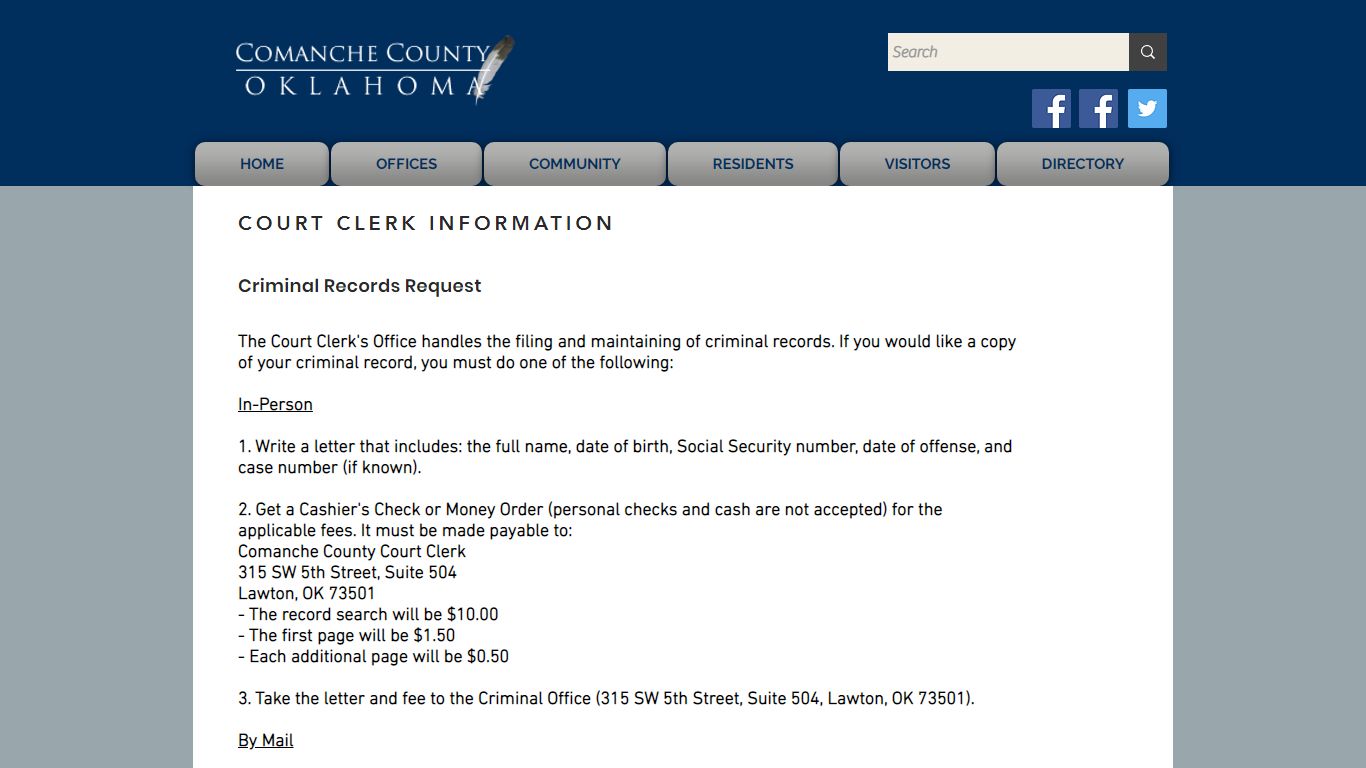
In Oklahoma, the main office for criminal records is the Comanche County Court Clerk’s Office at 315 SW 5th Street, Suite 504, Lawton, OK 73501. You must go in person or send a letter by mail. Email requests are not accepted. When you apply, include the full legal name of the person, their date of birth, and any known case numbers. You also need to send a copy of your government-issued photo ID and pay $10 per record using cash or a certified check. The office is open Monday through Friday from 8:00 a.m. to 5:00 p.m., except on holidays. For questions, call 580-355-4017.
Sheriff’s Office Records in Comanche County, Oklahoma
The Comanche County Sheriff’s Office also keeps criminal records, including arrest logs and police reports. This office is located at the same address as the Court Clerk. To get a record, you must describe the incident clearly—give the date, names of people involved, and the case number if you have it. You must show a valid state-issued ID. The fee is $5 per page, and you can pay with cash, check, or credit card. In-person requests are handled from 7:30 a.m. to 4:00 p.m. If you mail your request, include a self-addressed stamped envelope. Records from ongoing investigations are not released.

How to Search Court Records Online in Oklahoma
You can look up Comanche County court records online using the Oklahoma State Courts Network at oscn.net. Go to the docket search page and type in a name, date of birth, or address. This will show you case filings, hearing dates, and final judgments. If you want a physical copy, you must request it from the Court Clerk’s Office. The cost is $10 per document plus $0.20 for each extra page. Requests take up to ten business days to process. You can pay with cash, check, or credit card.
Warrant and Arrest Information in Oklahoma
The Comanche County Clerk’s Office keeps files on all active warrants and arrest logs. To get a copy of a warrant, visit the office at 315 SW 5th Street, Suite 304, Lawton, OK 73501. Bring a government-issued photo ID and the name of the person or case number. The fee is $7 per warrant plus $0.25 per extra page. The office is open Monday through Friday from 8:30 a.m. to 4:30 p.m. If you mail your request, include a prepaid return envelope and a copy of your ID. Call 580-355-5214 for help.
Records Division of the Sheriff’s Department
The Records Division of the Comanche County Sheriff’s Department works 24 hours a day, seven days a week. Staff answer phone calls, monitor police radio, and use the Oklahoma Law Enforcement Terminal to check the National Crime Information Center. They also track active warrants and protective orders. To get copies of warrants, protective orders, or incident reports, go during business hours (7:00 a.m. to 5:00 p.m.). You need ID and a signed form. The fee is $5 per document.
Comanche County, Texas Criminal Records
In Texas, criminal records are managed by the Comanche County Police Department, Sheriff’s Department, and Criminal Courts. These records include arrests, warrants, charges, convictions, and sentences. To request a record, send a written application to the Police Department at 101 W. Central, Comanche, TX 76442. Include the person’s full name, date of birth, and case number if known. The Texas Public Information Act says agencies must reply within ten business days. The fee is $15 per document plus $0.30 per extra page. You can deliver the request in person, by mail, or by fax to (325) 356-2655.
Court and Arrest Records in Texas
The Comanche County Courthouse in Texas handles all civil, family, and criminal cases. The County Clerk at 101 West Central, Comanche, TX 76442, keeps all case files. To get a record, give the case number and show a valid government photo ID. The fee is $8 per record plus $0.20 per extra page. The office is open Monday through Friday from 8:30 a.m. to 4:30 p.m. Mail requests must be sent before holidays to avoid delays. All records follow the Texas Public Information Act.
Comanche County, Kansas Criminal Records
In Kansas, the Sheriff’s Department, Police, and District Court keep criminal records. These include arrests, warrants, charges, convictions, and sentences. To request a record, send your name, the subject’s full name, date of birth, and incident date or docket number to the Sheriff’s Office at 101 West Central, Comanche, KS 66901. The Kansas Open Records Act requires a reply within three business days. The fee is $12 for the first page and $0.35 per extra page. Records can be given in person, by certified mail, or electronically with written permission.
Key Differences Between States
Each state has different rules for getting criminal records. In Oklahoma, the Court Clerk handles most requests and charges $10 per record. In Texas, the Police Department takes requests and charges $15 per document. In Kansas, the Sheriff’s Office responds within three days and charges $12 for the first page. All three states require ID and written requests. None accept email submissions. Fees vary, and processing times differ. Always check the latest rules before applying.
What Information Is Included in Criminal Records
Criminal records show a person’s legal history in the county. This includes arrests, active warrants, criminal charges filed, court hearings, convictions, and sentences. Some records also list jail time, probation, or parole. Juvenile records are usually sealed and not public. Records from ongoing cases may be withheld. Each entry has the person’s name, date of birth, case number, charge type, court date, and final outcome. These details help employers, landlords, or individuals verify someone’s background.
Who Can Request Criminal Records
Anyone can request criminal records in Comanche County. There is no need to prove a reason. However, you must provide accurate information about the person you’re searching for, including their full name and date of birth. You also need to show a valid government-issued photo ID when applying in person or include a copy if mailing. Some offices may limit access to sensitive cases, like those involving minors or active investigations. But most records are open under state open records laws.
How Long Does It Take to Get Records
Processing times vary by state and office. In Oklahoma, the Court Clerk must respond within five business days and provide records within fifteen. In Texas, agencies have ten business days to reply. In Kansas, the Sheriff’s Office must answer within three business days. Mail requests take longer due to postage. In-person requests are usually faster. Always ask about current wait times when you apply. Holidays and high volume can delay responses.
Fees and Payment Methods
Fees depend on the state and type of record. In Oklahoma, it’s $10 per record from the Court Clerk and $5 per page from the Sheriff. In Texas, it’s $15 per document plus $0.30 per extra page. In Kansas, it’s $12 for the first page and $0.35 per extra page. Payment methods include cash, check, credit card, or certified check. Mail requests require prepaid envelopes. Some offices do not accept personal checks. Always confirm accepted payment types before sending money.
Can You Get Records by Email or Online
No. None of the Comanche County offices in Oklahoma, Texas, or Kansas accept criminal record requests by email. Online portals exist for court docket searches in Oklahoma, but you still need to request physical copies by mail or in person. Texas and Kansas do not offer online request systems. All applications must be written, signed, and sent with ID and payment. This ensures security and prevents fraud.
What If the Record Is Sealed or Expunged
Sealed or expunged records are not available to the public. These are removed from public view by court order. If a record is sealed, you won’t see it in a search unless you have special permission. Expunged records are erased and treated as if they never existed. Only the person named in the record or their lawyer can request access. If you believe a record should be sealed, you must file a petition with the court.
How to Correct Errors in Criminal Records
If you find a mistake in a criminal record, contact the office that issued it. For example, if the Court Clerk has wrong information, call 580-355-4017 in Oklahoma. Provide proof of the error, like a court dismissal notice or corrected judgment. The office will review and update the record if needed. This process can take weeks. Keep copies of all documents. Errors can affect jobs, housing, or loans, so it’s important to fix them quickly.
Why People Search for Criminal Records
People look up criminal records for many reasons. Employers use them for background checks before hiring. Landlords check tenants to reduce risk. Individuals search to verify someone’s history or protect themselves. Lawyers use them for case research. Researchers study crime trends. These records help make informed decisions. They are a key part of public safety and transparency.
Are Mugshots Part of Criminal Records
Mugshots are photos taken after an arrest. They are often included in arrest records but are not always part of the official criminal record. Some states release mugshots to the public, while others restrict them. In Comanche County, mugshots may be available through the Sheriff’s Office if the case is public. However, they are not always released due to privacy concerns. Check with the local office for their policy.
How to Protect Your Own Criminal Record
If you have a criminal record, you can take steps to protect your privacy. Avoid sharing personal details online. Request that old records be sealed if eligible. Monitor your record for errors. Use legal help if needed. In some cases, you can expunge minor offenses after a waiting period. Each state has different rules. Talk to a lawyer to learn your options.
Common Mistakes When Requesting Records
Many people make errors when asking for records. They forget to include a copy of their ID. They use nicknames instead of full legal names. They don’t provide a date of birth. They send cash through mail, which is unsafe. They expect instant results. They don’t check office hours. To avoid problems, read the instructions carefully. Double-check all details. Call ahead if unsure.
Tips for a Successful Record Request
To get your records quickly, follow these tips. Use the person’s full legal name. Include their date of birth. Provide a case number if you have it. Bring or send a copy of your photo ID. Pay with a certified check or credit card. Go in person if possible. Ask about processing times. Keep a copy of your request. Be polite and patient. These steps help ensure success.
Legal Rights and Criminal Records
Everyone has rights when it comes to criminal records. You have the right to request your own record. You have the right to correct mistakes. You have the right to know what information is public. Employers must get your permission before running a background check. Landlords must follow fair housing laws. If your rights are violated, you can file a complaint with the state attorney general or a civil rights group.
Privacy Concerns with Public Records
Public records are meant to be open, but they raise privacy issues. Once a record is online or released, it can be seen by anyone. This can affect jobs, relationships, or safety. Some people worry about stalking or discrimination. While the law supports transparency, it also allows for sealing in certain cases. If you’re concerned, talk to a lawyer about your options.
How Technology Affects Record Access
Technology has made it easier to find records. Online court dockets let you search from home. But not all records are digital. Older files may only exist on paper. Some offices are slow to update systems. This can cause delays. Also, not all data is accurate. Always verify information with the official office. Technology helps, but human review is still needed.
Role of the County Clerk
The County Clerk is a key figure in managing criminal records. They store case files, issue certified copies, and answer public questions. In Oklahoma, the Clerk’s Office handles most record requests. In Texas and Kansas, the Clerk works with police and courts. The Clerk ensures records are accurate and follow state law. They also train staff and maintain security.
Role of the Sheriff’s Office
The Sheriff’s Office keeps arrest logs, incident reports, and warrant files. They work 24/7 to support law enforcement. Their Records Division helps the public get documents. They also verify active warrants and protective orders. In emergencies, they provide real-time data to officers. Their role is vital for public safety and transparency.
Understanding Case Numbers
Case numbers are unique codes assigned to each legal case. They help track records in the system. A case number usually includes the year, court code, and sequence. For example, “CF-2023-123” means a criminal felony case from 2023, number 123. Always include the case number if you have it. It speeds up the search and reduces errors.
What to Do If Your Request Is Denied
If your request is denied, ask for a reason in writing. The office must explain why under state law. Common reasons include ongoing investigations, sealed records, or missing information. You can appeal the decision. In Oklahoma, contact the District Attorney. In Texas, file a complaint with the Attorney General. In Kansas, use the Open Records Act appeal process. Keep records of all communication.
How to Prepare for a Background Check
If you’re applying for a job or license, prepare for a background check. Get a copy of your criminal record first. Fix any errors. Know what will show up. Be honest with employers. If you have a past offense, explain what you’ve learned. Many people recover from mistakes. Preparation helps you respond confidently.
Impact of Criminal Records on Daily Life
Criminal records can affect many parts of life. They can limit job options, especially in government or education. They can make it hard to rent an apartment. They can affect loans or licenses. Some people face stigma or isolation. But records don’t define a person. Many go on to live productive lives. Support and second chances matter.
Resources for Help
If you need help with criminal records, contact local legal aid. In Oklahoma, call Legal Aid Services of Oklahoma. In Texas, try Texas RioGrande Legal Aid. In Kansas, contact Kansas Legal Services. These groups offer free or low-cost help. You can also visit law libraries or county websites for forms and guides.
Official Contact Information
For Comanche County, Oklahoma: Comanche County Court Clerk 315 SW 5th Street, Suite 504 Lawton, OK 73501 Phone: 580-355-4017 Hours: Monday–Friday, 8:00 a.m.–5:00 p.m.
For Comanche County, Texas: Comanche County Clerk 101 W. Central Comanche, TX 76442 Phone: (325) 356-2655 Fax: (325) 356-5764 Hours: Monday–Friday, 8:30 a.m.–4:30 p.m.
For Comanche County, Kansas: Comanche County Sheriff’s Office 101 West Central Comanche, KS 66901 Phone: (620) 244-3233 Hours: Monday–Friday, 8:00 a.m.–5:00 p.m.
Frequently Asked Questions
Many people have questions about criminal records. Below are common ones with clear answers based on current laws and procedures in Comanche County.
Can I get someone else’s criminal record?
Yes, you can request someone else’s criminal record in Comanche County. These records are public unless sealed by a court. You don’t need their permission. However, you must provide their full legal name, date of birth, and case number if known. You also need to show your own government-issued ID when applying. The office will verify your identity but not your reason for the request. This protects privacy while allowing public access. Records from ongoing cases or involving minors may be restricted. Always check the specific rules for the state where the county is located.
How long does it take to receive records by mail?
Mail requests take longer than in-person visits. In Oklahoma, the Court Clerk has up to fifteen business days to send records after receiving your request. In Texas, agencies have ten business days to respond. In Kansas, the Sheriff’s Office must reply within three business days. Add extra time for postal delivery, which can take 3–7 days each way. Holidays and high volume can cause delays. To speed up the process, include a self-addressed stamped envelope and use certified mail. Call the office to confirm receipt if you don’t hear back within two weeks.
Are online searches free?
Online court docket searches in Oklahoma are free at oscn.net. You can look up case details by name, date of birth, or address. However, downloading or printing documents may have fees. Physical copies from any office cost money—usually $5 to $15 per document. Texas and Kansas do not offer free online criminal record searches. All requests must be made in writing with payment. Free searches give basic info, but full records require a formal request. Always verify online data with the official office to ensure accuracy.
What if the person has a common name?
If the person has a common name, include as much detail as possible. Add their full middle name, date of birth, known aliases, or last known address. Provide a case number if you have it. This helps the office narrow the search. Without extra details, you might get multiple records or none at all. Some offices allow you to review a list of matching names before paying. If unsure, call ahead and ask how to improve your chances of getting the right record.
Can I appeal a denied request?
Yes, you can appeal if your request is denied. First, ask for a written explanation. The office must tell you why under state open records laws. Common reasons include sealed records, ongoing investigations, or incomplete forms. In Oklahoma, contact the District Attorney’s Office. In Texas, file a complaint with the Attorney General. In Kansas, use the formal appeal process under the Open Records Act. Keep copies of all letters and receipts. Appeals can take weeks, but they help ensure your rights are protected.
Do criminal records show dismissed charges?
Yes, dismissed charges usually appear on criminal records unless expunged. A dismissal means the case was dropped, but the arrest and charge still exist in the file. This can affect background checks. Some employers see dismissed charges as red flags. You can request to have these records sealed or expunged in certain cases. Each state has different rules. In Oklahoma, you may qualify after a waiting period. Talk to a lawyer to learn if you’re eligible. Removing dismissed charges can improve your chances with jobs or housing.